
Window Standards In Queensland; What Toowoomba Homeowners Need To Know


Choosing windows for a Queensland home is not as straight forward as you may think.
Whether you’re building from scratch, renovating a Queenslander, or replacing tired aluminium louvres windows, In Queensland you are subject to a web of regulations and standards that cover everything from how they perform under cyclonic wind loads to how much solar heat they’re allowed to let in.
Most homeowners only discover this complexity when something goes wrong.
For many Queensland homeowners, understanding window standards is only one part of the decision. If your existing home is ageing, damaged, or no longer meeting modern performance expectations, it may be worth considering window replacement or upgrade.
And if you’re comparing styles that can deliver strong thermal performance, security, and ventilation control, uPVC double glazed casement windows are often a practical option for homes that need to balance compliance with everyday comfort.
The Regulatory Framework: What Governs Windows in Queensland
Window compliance in Queensland can be complicated and are shaped by a combination of national codes, Australian Standards, and Queensland-specific regulations that each address different aspects of performance. Understanding how these layers fit together is the starting point for making sense of the whole thing.
Our team at Matchett Construction are up-to-date with this Framework and can assist you when we are discussing your build or renovation.
Wind-Rated Windows: Choosing the Right Windows for Your Home
Windows do more than bring light and fresh air into a home. They also form part of its protective envelope, helping resist wind pressure and keep the building secure during severe weather.
For homes in Queensland, window selection should suit the site, the building design and the wind loads identified for the project.
At Matchett Constructions, we consider window performance as part of the wider design and construction process.
What does “wind-rated” mean?
A wind-rated window has been tested and specified to withstand particular wind pressures.
The required rating depends on factors such as the building’s location, height, shape, exposure and distance from the coast.
Wind pressure can push against one side of a building and create suction on another.
Windows and their frames, glass, hardware and fixings must be suitable for the pressures expected at their location in the home.
A window’s rating is not a general label for all conditions.
The appropriate performance level must be determined for the specific project.
Why the right specification matters
Windows that are not suited to the design wind loads may be more vulnerable to damage or air and water leakage during strong winds.
Correct specification helps ensure the window assembly is appropriate for the conditions it is designed to face.
Performance depends on the whole installation—not only the glass.
The frame, opening type, hardware, seals, fixings and connection to the surrounding wall all contribute. Correct installation in accordance with the product requirements and project details is essential.
What influences a window’s wind rating?
The required rating is established through the project’s engineering and building documentation.
Relevant considerations may include:
The site’s location and wind classification
The home’s height, geometry and orientation
Terrain and surrounding exposure
The window’s size, position and opening type
The pressure expected on different parts of the building
Understanding Window Wind Ratings in Toowoomba
Wind Region: Toowoomba falls under AS 4055 / AS/NZS 1170.2 Wind Region B (non-cyclonic).
Site-Specific N-Ratings: While the regional baseline applies, your individual property will usually be classified between N1 to N3 (and occasionally higher on exposed ridges or hilltops).
The Standard: Windows must comply with AS 2047 for structural integrity, water penetration resistance, and air infiltration under these wind loads.
Factors That Determine Your Exact Rating
Terrain Category: How open the surrounding land is (e.g., suburban vs. open farmland).
Shielding: The presence of neighboring buildings or dense trees that block the wind.
Topography: Whether your house sits on a flat plot, a slope, or the crest of a hill (Toowoomba's undulating landscape often creates higher topographic multipliers).
All this will be in consideration when we quote your build or renovation.
The National Construction Code (NCC);
The NCC sets the minimum performance requirements for building work across Australia, including all aspects that relate to windows: structural integrity, energy efficiency, glazing safety, and waterproofing.
In Queensland, the NCC is administered through the Queensland Building and Construction Commission (QBCC), which oversees licensing, building approvals, and compliance for residential and commercial construction.
The NCC is updated periodically, and recent editions have significantly raised the bar for energy performance — a change that has made window selection considerably more consequential for new builds and major renovations across Toowoomba, Brisbane and South East Queensland.
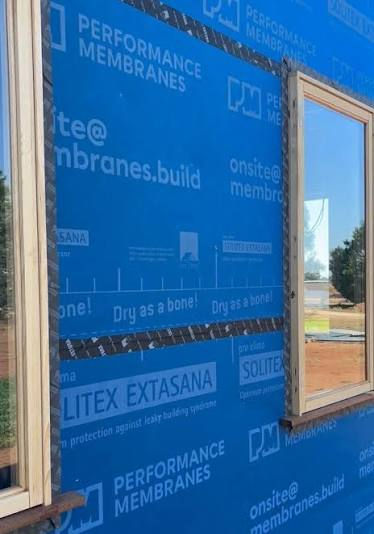
Water Penetration Resistance
We all know Queensland's storm season delivers intense, wind-driven rain that tests window performance in ways that a standard shower test in a factory setting cannot fully replicate.
It is required that windows be tested for water penetration resistance at defined pressure levels, with more exposed installations requiring higher performance ratings.
Water getting past window frames and into wall cavities causes structural damage, mould growth, and remediation costs that routinely run into tens of thousands of dollars.
In older Queensland homes — particularly those with timber-framed walls — water ingress through non-compliant or poorly installed windows is one of the most damaging and common problems we see.
Specifying compliant windows and having them professionally installed is the most effective insurance against this.
Matchett Constructions can help coordinate window choices with the design, the right choice regarding the enviroment your home is situated and construction requirements of your project.
For your new build or renovation, discuss window specifications with our team knowledgable and trusted team today.
Let's get thr process started
Blog: Window Standards In Queensland; What Toowoomba Homeowners Need To Know


Comments